Benvenuti alla guida definitiva sulle migliori soluzioni HRIS per le aziende di medie dimensioni! Se stai cercando di semplificare e ottimizzare i processi di gestione delle risorse umane nella tua azienda, sei nel posto giusto. Con le giuste piattaforme e strumenti tecnologici, potrai gestire in modo efficace le attività legate al personale, alle assunzioni, alla formazione e molto altro ancora. Scopriamo insieme quali sono le opzioni più adatte alle esigenze delle aziende di medie dimensioni.
Evaluating Your Company Needs
When it comes to choosing the right HRIS system for your midsize company, it’s crucial to start by evaluating your company’s specific needs. This involves taking a close look at your current processes, HR goals, and areas where you feel there is room for improvement. By understanding your company’s unique requirements, you can make a more informed decision about which HRIS system will best meet your needs.
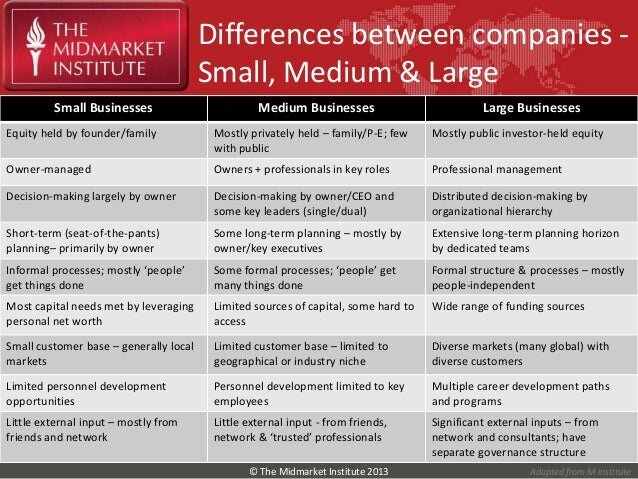
One key factor to consider is the size of your company and the number of employees you have. Midsize companies typically have between 100 and 1,000 employees, which means you’ll need an HRIS system that can handle a moderate to large workforce. Look for a system that offers scalability, so you can easily add new users and features as your company grows.
Another important consideration is the complexity of your HR processes. Take note of the tasks that are currently handled manually or with outdated systems, and identify areas where automation could streamline processes and increase efficiency. This could include automating employee onboarding, performance reviews, time-off requests, and payroll processing.
Consider your company’s budget when evaluating HRIS systems. While it’s tempting to opt for the system with the most bells and whistles, it’s essential to choose a system that fits within your financial constraints. Look for systems that offer flexible pricing options, such as monthly subscriptions or a pay-per-employee model, to help you stay within budget.
Think about the level of support and training your company will need when implementing a new HRIS system. Consider whether you have in-house IT resources to handle the implementation and ongoing maintenance of the system, or if you’ll need additional support from the vendor. Look for vendors that offer comprehensive training programs and responsive customer support to help you get the most out of your investment.
Lastly, consider your company’s long-term goals and growth plans when evaluating HRIS systems. Choose a system that can grow and evolve with your company, offering the flexibility to add new features and integrations as needed. Look for systems that offer regular updates and enhancements to ensure that your HRIS system remains cutting-edge and meets your company’s changing needs.
Benefits of Implementing an HRIS System
Implementing an HRIS system can bring a wealth of benefits to midsize companies. One of the key advantages is the ability to streamline HR processes and increase efficiency. With an HRIS in place, organizations can automate repetitive tasks such as payroll processing, time tracking, and benefits administration, saving valuable time and resources. This allows HR professionals to focus on more strategic initiatives and employee engagement rather than getting bogged down in manual administrative tasks.
Another major benefit of an HRIS system is improved data accuracy and reliability. By centralizing all employee data in one secure database, companies can ensure that information is up-to-date, consistent, and easily accessible. This can help to reduce errors and compliance risks associated with manual data entry and paper-based processes. Additionally, HRIS systems often come with robust reporting and analytics capabilities, allowing organizations to easily generate insights and make data-driven decisions to drive business success.
Furthermore, implementing an HRIS system can enhance employee experience and engagement. Through self-service portals and mobile access, employees can easily view and update their personal information, request time off, access important documents, and communicate with HR. This promotes transparency, empowers employees to take control of their own HR needs, and ultimately leads to higher satisfaction and productivity levels.
Additionally, an HRIS system can help midsize companies stay compliant with ever-changing regulations and requirements. By automating compliance processes and tracking key metrics, organizations can ensure that they are meeting legal obligations and mitigating risks. This is especially important for midsize companies that may not have dedicated HR compliance staff, as an HRIS system can provide the necessary tools and resources to maintain compliance with minimal effort.
Lastly, implementing an HRIS system can lead to cost savings in the long run. While there is an initial investment in purchasing and implementing the system, the efficiencies gained and reduced reliance on manual processes can result in significant cost savings over time. By streamlining workflows, improving data accuracy, and enhancing employee engagement, companies can operate more efficiently and effectively, ultimately driving bottom-line results.
Comparison of Top HRIS Systems for Midsize Companies
When it comes to choosing the right HRIS system for your midsize company, there are several factors to consider. Below, we will compare three of the top HRIS systems for midsize companies: BambooHR, UltiPro, and Namely.
BambooHR: BambooHR is known for its user-friendly interface and customizable features. It offers a range of HR management tools, including employee self-service, time tracking, and performance management. BambooHR is also known for its excellent customer support, making it a popular choice for midsize companies looking to streamline their HR processes.
UltiPro: UltiPro is a comprehensive HRIS system that offers a wide range of features, including payroll processing, benefits administration, and recruitment management. UltiPro is known for its robust reporting capabilities and integration with other business systems. While UltiPro may have a steeper learning curve compared to other HRIS systems, it offers a high level of customization and scalability for midsize companies.
Namely: Namely is another popular choice for midsize companies looking for a complete HRIS solution. Namely offers a range of features, including payroll and benefits administration, performance management, and time tracking. Namely is known for its easy-to-use interface and mobile accessibility, making it a great option for midsize companies with remote or dispersed workforces.
When comparing these three HRIS systems, there are a few key factors to consider. Firstly, consider the specific needs of your company and which features are most important to you. BambooHR is great for companies looking for a user-friendly interface, UltiPro is ideal for those needing a comprehensive HRIS solution, and Namely is a good choice for companies with remote or dispersed workforces.
Additionally, consider the level of customer support and training offered by each HRIS provider. It’s important to choose a system that offers robust customer support and training options to ensure a smooth implementation process and ongoing support for your team.
In conclusion, when choosing an HRIS system for your midsize company, it’s important to consider factors such as features, usability, customization, and support. BambooHR, UltiPro, and Namely are all top HRIS systems that cater to the needs of midsize companies, so take the time to evaluate your options and choose the system that best fits your company’s unique needs.
Key Features to Look for in an HRIS System
When searching for an HRIS system for your midsize company, it’s important to look for key features that will meet your specific needs. Here are some important features to consider:
1. Core HR Capabilities: The core HR capabilities of an HRIS system include features such as employee records management, payroll processing, benefits administration, and time and attendance tracking. These are the basic functions that every HR department needs to efficiently manage its workforce. Make sure the HRIS system you choose offers these core features.
2. Recruitment and Onboarding Tools: A good HRIS system should also include tools for recruitment and onboarding. This can include applicant tracking, resume parsing, and onboarding checklists to streamline the hiring process and ensure a smooth transition for new employees. Look for an HRIS system that offers these features to help you attract top talent and onboard new hires effectively.
3. Performance Management Module: Performance management is crucial for assessing employee performance, setting goals, and providing feedback. Look for an HRIS system that includes a performance management module with features such as goal setting, performance reviews, and 360-degree feedback. This will help you track employee progress and development, and ultimately improve overall performance within your organization.
4. Customization Options: One important feature to look for in an HRIS system is customization options. Every company has unique needs and processes, so it’s important to choose a system that can be customized to fit your specific requirements. Look for an HRIS system that allows you to tailor the interface, fields, and workflows to match your company’s branding and way of working. This level of customization will ensure that the system aligns perfectly with your company’s culture and processes, making it easier for your employees to adapt and use effectively.
Implementing and Training on an HRIS System
Implementing and training on an HRIS system can be a daunting task, especially for midsize companies. However, with the right approach and resources, the process can be smooth and efficient. Here are five key steps to successfully implementing and training on an HRIS system for midsize companies:
1. Define Your Goals and Objectives: Before implementing an HRIS system, it is essential to clearly define your goals and objectives. Determine what you want to achieve with the system, whether it is streamlining HR processes, improving data accuracy, or enhancing employee engagement. Understanding your goals will help you choose the right HRIS system and tailor the implementation and training process to meet your specific needs.
2. Select the Right HRIS System: Choosing the right HRIS system for your midsize company is crucial to the success of the implementation and training process. Consider factors such as the system’s scalability, customization options, user-friendliness, and cost. Look for a system that can grow with your company and adapt to your changing needs. Take the time to research and demo different HRIS systems to find the one that best fits your requirements.
3. Develop a Comprehensive Implementation Plan: Once you have selected an HRIS system, develop a comprehensive implementation plan that outlines the steps, timeline, and resources needed to successfully roll out the system. Consider factors such as data migration, customization, integration with existing systems, and employee training. Assign roles and responsibilities to team members to ensure a smooth and coordinated implementation process.
4. Provide Extensive Training and Support: Training is a critical component of implementing an HRIS system successfully. Provide extensive training to all employees who will be using the system, including HR staff, managers, and employees. Offer a mix of in-person training sessions, online tutorials, and resources to accommodate different learning styles. Encourage feedback and questions to ensure that employees feel comfortable using the system and can maximize its benefits.
5. Offer Ongoing Support and Feedback Mechanisms: Once the HRIS system is up and running, continue to offer ongoing support and feedback mechanisms to employees. Provide a dedicated support team or help desk to address any questions or issues that may arise. Encourage employees to provide feedback on their experience with the system and make adjustments as needed to improve usability and efficiency. Regularly review and assess the system’s performance to ensure that it continues to meet your company’s evolving needs.