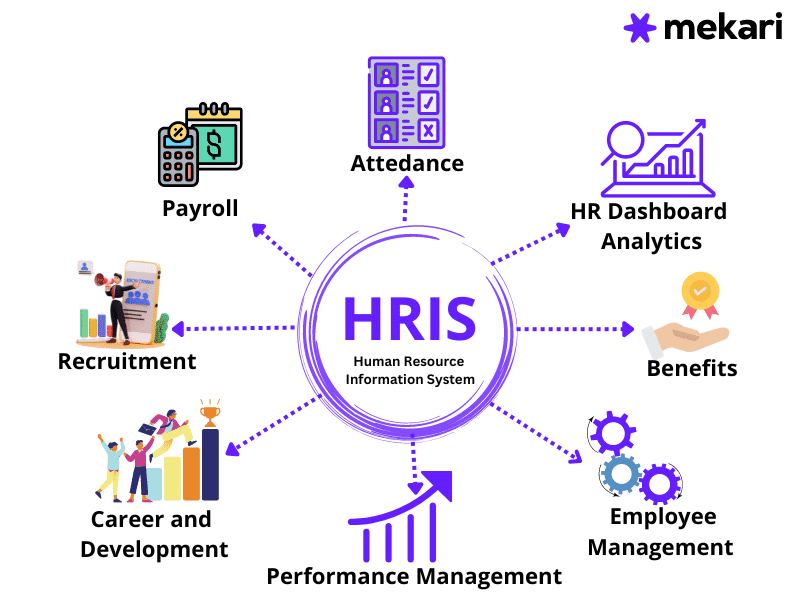
Welcome, dear readers, to our exploration of Dehat Hris, a fascinating concept that combines traditional wisdom with modern technology to revolutionize HR management in rural areas. Imagine a world where farmers and rural workers have access to a user-friendly Human Resource Information System (HRIS) designed specifically for their needs. With Dehat Hris, this vision becomes a reality, empowering individuals in remote areas to efficiently handle tasks related to employee management, payroll, and more. Let’s delve deeper into this exciting development and discover how it is changing the game for rural communities.
Features of the Ideal HRIS Software
When it comes to finding the perfect HRIS software for your organization, there are certain features that you should be on the lookout for. These features can help streamline your HR processes, improve communication within your team, and ultimately save you time and money. Here, we will discuss some of the key features that you should consider when selecting an HRIS software.
One important feature to look for in an HRIS software is a robust employee database. This database should be able to store all relevant information about your employees, including their personal details, contact information, job history, and performance reviews. Having all of this information in one place can make it easier for you to track employee progress, identify areas for improvement, and make informed decisions about promotions and raises.
In addition to a comprehensive employee database, the ideal HRIS software should also include a time and attendance tracking system. This system should allow employees to clock in and out easily, track their hours worked, request time off, and view their upcoming schedules. For managers, this feature can help ensure that employees are paid accurately, monitor overtime hours, and identify any patterns of absenteeism.
Another important feature to look for in an HRIS software is performance management tools. These tools should allow you to set goals for your employees, track their progress, provide feedback, and conduct performance reviews. By setting clear expectations and regularly reviewing employee performance, you can help your team members grow and develop their skills, ultimately benefiting your organization as a whole.
Additionally, the ideal HRIS software should include recruitment and onboarding features. These features should allow you to post job openings, track applicants, schedule interviews, and onboard new hires seamlessly. By streamlining the recruitment and onboarding process, you can attract top talent, reduce time-to-fill rates, and ensure that new employees are set up for success from day one.
Lastly, a good HRIS software should offer robust reporting and analytics capabilities. These capabilities should allow you to generate custom reports on key HR metrics, such as turnover rates, employee satisfaction, and training completion rates. By analyzing this data, you can identify trends, spot areas for improvement, and make data-driven decisions to drive your organization forward.
In conclusion, the ideal HRIS software should have a range of features that can help you manage your HR processes more efficiently and effectively. From employee databases to performance management tools to recruitment and onboarding features, these features can save you time, improve communication within your team, and ultimately help your organization thrive. So, when selecting an HRIS software for your organization, be sure to consider these key features to ensure that you find the perfect fit for your needs.
The Importance of Integration in HRIS Systems
When it comes to managing human resources, having a HRIS system in place is essential for streamlining processes and improving efficiency. However, the real value of a HRIS system lies in its ability to integrate seamlessly with other systems and applications within an organization.
Integration allows for a more holistic view of the organization by bringing together data from various departments and systems. This means that HR managers can have a comprehensive overview of employee information, payroll data, and performance metrics all in one place. With integrated HRIS systems, there is no need to switch between different platforms or manually input data, saving time and reducing the risk of errors.
Furthermore, integration enables data to flow freely between different systems, ensuring consistency and accuracy of information. For example, when an employee updates their information in the HRIS system, this change can automatically be reflected in other systems such as payroll or benefits administration. This not only saves time but also reduces the likelihood of discrepancies or inconsistencies in data.
Integration also promotes collaboration and communication within the organization. With all relevant data accessible in one place, employees from different departments can easily share information and work together on projects. This enhances transparency and allows for better decision-making based on real-time data.
Another benefit of integration in HRIS systems is the ability to automate repetitive tasks and processes. By connecting HRIS systems with other applications like recruitment software or time and attendance systems, organizations can eliminate manual tasks such as data entry, approval workflows, and reporting. This frees up HR staff to focus on more strategic initiatives and adds value to the organization.
Moreover, integration in HRIS systems can also enhance the employee experience. By connecting HRIS systems with tools like self-service portals or mobile apps, employees can easily access and update their information, request time off, or enroll in benefits. This promotes employee engagement and satisfaction by providing them with the tools they need to manage their work-life balance more effectively.
In conclusion, the importance of integration in HRIS systems cannot be overstated. Integration allows for a seamless flow of data between different systems, reduces manual tasks, promotes collaboration, and enhances the overall employee experience. By investing in integrated HRIS systems, organizations can improve efficiency, accuracy, and productivity across the board.
Choosing the Right HRIS Vendor
When it comes to selecting a HRIS vendor for your organization, there are several factors that you should consider. Making the right choice can have a significant impact on the efficiency and effectiveness of your HR department. Here are some key points to keep in mind when choosing the right HRIS vendor:
1. Assess Your Needs: Before you start looking at different HRIS vendors, take the time to assess your organization’s specific needs. Consider factors such as the size of your company, the number of employees, and the specific functions you need the HRIS system to perform. By understanding your requirements, you can narrow down your options and focus on vendors that offer the features that are most important to you.
2. Do Your Research: Once you have a clear idea of what you’re looking for in a HRIS system, it’s time to start researching potential vendors. Look for vendors that have experience working with companies similar to yours and that have a good reputation in the industry. Read reviews from other customers, ask for references, and compare the features and pricing of different systems to find the best fit for your organization.
3. Meet with Potential Vendors: It’s important to meet with potential HRIS vendors in person or through a video conference to get a better sense of their company culture and how they operate. This will also give you the opportunity to ask questions and discuss your needs in more detail. During the meeting, be sure to inquire about the vendor’s implementation process, training and support options, and any additional services they offer. You should also ask about their security measures, data encryption protocols, and disaster recovery plans to ensure that your company’s sensitive information will be protected.
By meeting with potential vendors, you can get a sense of their level of professionalism, responsiveness, and commitment to customer service. Ultimately, you want to choose a vendor that you feel comfortable working with and that will be a reliable partner for your organization’s HR needs.
4. Consider Integration and Compatibility: When choosing a HRIS vendor, it’s important to consider how well their system will integrate with your existing software and systems. Look for a vendor that offers seamless integration with popular platforms such as payroll systems, time and attendance software, and performance management tools. Compatibility with other systems will save you time and effort in the long run, as you won’t have to deal with the headache of incompatible systems or data transfer issues.
5. Evaluate Pricing and Support: Finally, consider the cost of the HRIS system and the level of support that the vendor offers. Look for a vendor that offers transparent pricing with no hidden fees, and make sure that the system fits within your budget. Additionally, inquire about the vendor’s support options, including training, ongoing support, and system updates. A vendor that provides excellent customer support will be invaluable in helping you get the most out of your HRIS system and addressing any issues that may arise.
Overall, choosing the right HRIS vendor is a crucial decision that can have a significant impact on your organization’s HR processes. By assessing your needs, researching potential vendors, meeting with them in person, considering integration and compatibility, and evaluating pricing and support options, you can find a vendor that meets your needs and helps your HR department operate more efficiently and effectively.
Implementing HRIS Successfully in Your Organization
Implementing a Human Resource Information System (HRIS) in your organization can be a game-changer when it comes to streamlining processes and improving efficiency. However, the key to successful implementation lies in proper planning and execution. Here are some tips to help you make the most out of your HRIS:
1. Clearly Define Your Objectives: Before diving into implementing an HRIS, it is crucial to have a clear understanding of what you hope to achieve with the system. Whether your main goal is to automate payroll processes, improve employee engagement, or enhance data analytics, clearly defining your objectives will help guide you in selecting the right HRIS solution.
2. Get Buy-In From Key Stakeholders: In order for the implementation of an HRIS to be successful, it is essential to get buy-in from key stakeholders within your organization. This includes top management, HR professionals, and employees who will be directly impacted by the new system. By involving them in the decision-making process and addressing their concerns, you can ensure a smoother transition to the new HRIS.
3. Choose the Right HRIS Solution: With so many HRIS solutions available in the market, choosing the right one for your organization can be overwhelming. Take the time to do thorough research, demo different systems, and consider factors such as scalability, user-friendliness, and integration capabilities. It is also important to ensure that the HRIS you choose aligns with your organization’s goals and requirements.
4. Develop a Comprehensive Implementation Plan: Once you have selected an HRIS solution, the next step is to develop a comprehensive implementation plan. This plan should outline the timeline, budget, and resources needed for the implementation process. It should also include key milestones, responsibilities, and a communication strategy to keep all stakeholders informed throughout the process.
During the implementation phase, it is important to allocate dedicated resources to oversee the project, provide training to users, and address any issues that may arise. Regularly monitor the progress of the implementation and make adjustments as needed to ensure a smooth transition to the new system.
5. Test and Troubleshoot: Before fully launching the HRIS across the entire organization, it is crucial to conduct thorough testing and troubleshooting to identify any potential issues or bugs. This includes testing the system for accuracy, data integration, and user interface usability. By addressing any issues early on, you can prevent larger problems down the line and ensure a seamless rollout of the HRIS.
6. Provide Ongoing Support and Training: Implementing an HRIS is not a one-time event – it requires ongoing support and training to ensure that users are comfortable with the system and able to maximize its benefits. Provide regular training sessions, workshops, and resources to help users navigate the HRIS effectively and address any questions or concerns they may have. Additionally, have a dedicated support team in place to assist users with technical issues or troubleshooting.
By following these steps and strategies, you can successfully implement an HRIS in your organization and reap the benefits of improved efficiency, streamlined processes, and better decision-making. Remember that successful implementation takes time, effort, and collaboration, but the payoff is well worth it in the long run.
Maximizing the Benefits of HRIS Technology
Implementing a HRIS system can bring numerous advantages to your organization, but it’s essential to make the most of the technology to maximize its benefits. Here are five key ways to ensure you are getting the most out of your HRIS technology:
1. Employee Self-Service: One of the greatest benefits of HRIS technology is the ability to empower employees with self-service tools. Employees can access their personal information, request time off, update their details, and view company policies without the need for HR intervention. By encouraging employees to use self-service features, HR departments can save valuable time and resources, allowing them to focus on more strategic tasks.
2. Automation of Routine Tasks: HRIS technology can automate routine administrative tasks such as payroll processing, benefits administration, and compliance reporting. By streamlining these processes, HR departments can increase efficiency, reduce errors, and ensure compliance with regulations. This automation allows HR professionals to spend less time on manual tasks and more time on strategic initiatives that drive business success.
3. Data Analytics and Reporting: HRIS technology collects and stores massive amounts of valuable data on employees, such as demographics, performance evaluations, training records, and compensation history. By leveraging data analytics tools within the HRIS system, organizations can gain insights into their workforce, identify trends, and make data-driven decisions. HR departments can use this information to improve recruitment strategies, track employee engagement, and forecast future workforce needs.
4. Integration with Other Systems: To fully maximize the benefits of HRIS technology, it’s essential to integrate the system with other business-critical systems, such as payroll, benefits, and time and attendance. By integrating these systems, organizations can ensure data consistency, eliminate duplicate data entry, and streamline processes across departments. This integration allows for seamless communication between systems, providing a more holistic view of the organization’s workforce.
5. Ongoing Training and Support: Implementing HRIS technology is just the first step towards maximizing its benefits. To ensure that your organization is getting the most out of the system, it’s essential to provide ongoing training and support to users. Training sessions can help employees learn how to use the system effectively, while ongoing support can address any issues or questions that arise. By investing in training and support, organizations can ensure that employees are comfortable using the system and that the technology is being utilized to its full potential.
By following these five key strategies, organizations can maximize the benefits of HRIS technology and transform their HR operations. From empowering employees with self-service tools to leveraging data analytics for strategic decision-making, HRIS technology has the potential to revolutionize the way organizations manage their workforce.